Healing Childhood PTSD Through Regulation & The Tools That Actually Changed My Life
Feb 04, 2026Hello friends,
There was a time when my emotions felt unpredictable.
One moment everything felt steady —
and the next, a small interaction could send my nervous system into overdrive.
If you’ve ever felt calm one minute and completely hijacked the next, I want you to know something:
You’re not failing at healing.
You’re responding from a nervous system that learned survival before safety.
And what I wish someone had told me sooner is this:
Healing childhood PTSD isn’t just about understanding your past.
It’s about learning how to regulate your body in the present.
When Triggers Take Over
For years, I believed my reactions were communication problems.
I thought if I just explained myself better, analyzed more deeply, or tried harder to stay calm, things would improve.
But during moments of dysregulation, logic disappears.
The nervous system moves first.
And when your body feels unsafe, no amount of insight can override that response.
Understanding this changed how I approached conflict, relationships, and even the way I spoke to myself.
Instead of forcing solutions inside emotional storms, I learned to pause — not to avoid responsibility, but to create enough internal safety to respond differently.
Why Talk Therapy Wasn’t Enough for Me
I spent nearly fifteen years in talk therapy.
And while it offered awareness, it didn’t teach me how to change what happened in real-time during emotionally charged moments.
Sometimes it felt like revisiting the same stories over and over — reinforcing the pathways that kept me stuck.
This isn’t a rejection of therapy as a whole.
For some people, it’s incredibly supportive.
But for me, real transformation didn’t begin until I learned new skills that engaged my body, not just my thoughts.
That’s where yoga and DBT entered my life — not as separate practices, but as a unified pathway toward regulation.
The Shift: Learning Skills Instead of Replaying Pain
My healing accelerated when I discovered Dialectical Behavior Therapy (DBT).
Unlike traditional processing-based approaches, DBT felt like a workshop for real life.
I learned:
-
how to recognize emotional escalation early
-
how to regulate instead of suppress
-
how to communicate without abandoning myself
-
how to take responsibility for my reactions without shame
Paired with a dedicated Ashtanga yoga practice, something profound happened.
I stopped trying to “fix” myself —
and started training my nervous system to feel safe enough to choose differently.
Yoga as a Daily Devotion — Not Passive Movement
The yoga that changed my life wasn’t passive.
It wasn’t about escaping emotion.
It was about dedication — showing up daily, breathing through discomfort, and reconnecting to my body with intention.
Traditional pranayama taught me something powerful:
Slow, steady nasal breathing doesn’t stimulate chaos.
It teaches regulation.
That steady rhythm became the anchor that allowed DBT skills to actually land.
Not as theory — but as lived practice.
Regulation Also Means Owning Our Impact
One of the most humbling parts of healing wasn’t just learning to calm myself.
It was learning to see how my expectations, words, and reactions affected the people I loved.
I began noticing how fear-based patterns showed up as:
-
defensiveness
-
unrealistic expectations
-
or silence that created distance
Regulation isn’t just internal.
It’s relational.
And when we take responsibility for how we show up — without shame — connection deepens.
What Healing Looks Like Now
My life today isn’t perfect.
But it is grounded.
I experience relationships with more honesty, more steadiness, and more capacity for intimacy than I once thought possible.
Not because I eliminated triggers —
but because I learned how to move through them without losing myself.
That’s the work I now share with other women.
Not from theory.
From lived transformation.
If You’re On This Path Too
If you’re healing from childhood trauma, emotional overwhelm, or patterns that feel bigger than logic, I want you to know:
You don’t need to force calm.
You need tools that help your nervous system feel safe enough to stay present.
In my latest video, “Tools for Emotional Regulation with DBT & Yoga for Healing Childhood PTSD,” I walk through the practices that helped me move from survival into steadiness.
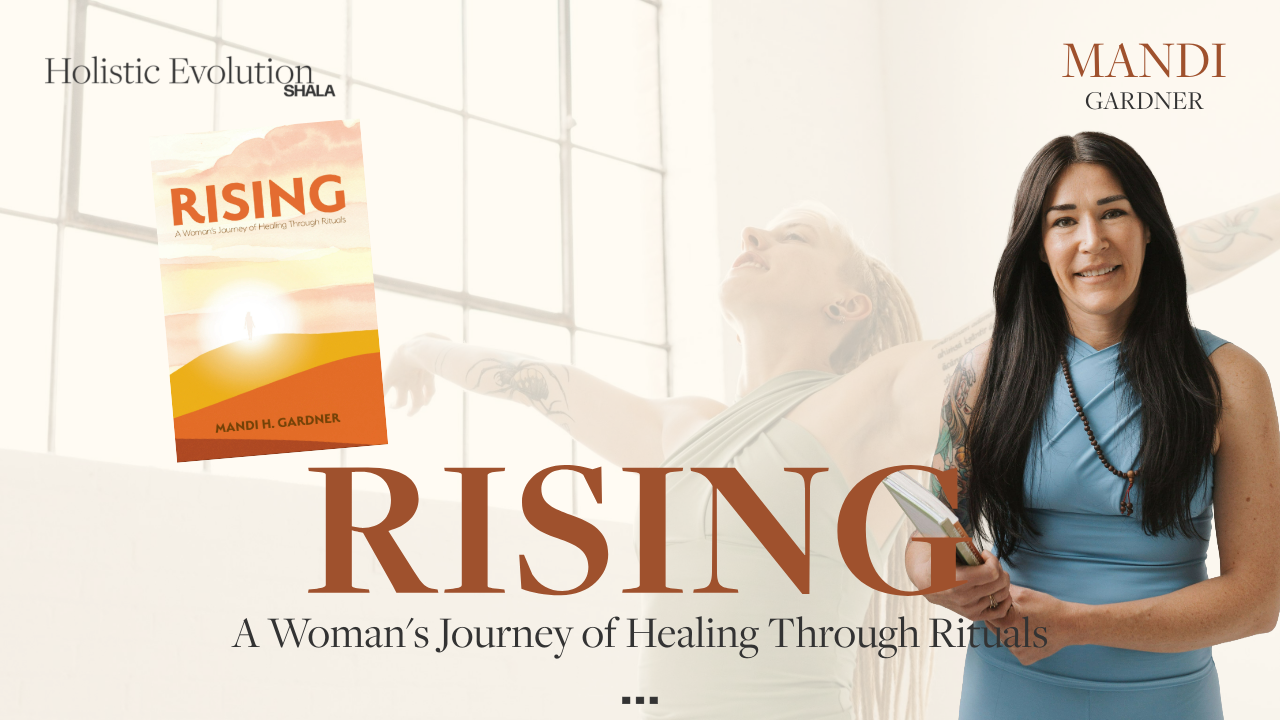
And if you’re ready to explore this work more deeply, my book RISING: A Woman’s Journey of Healing Through Rituals shares the daily practices that reshaped my relationship with myself — and with others.
✨ Watch the video here:
YouTube Video Link
Sincerely,
Mandi Gardner
Yoga's 8 Limbs to Heal Trauma and Find Lasting Peace
In this step-by-step guide, you’ll learn how the eight limbs of yoga can help you heal from the effects of childhood trauma.
Take the First Step Toward Lasting Peace Today!
Your healing journey starts here.
Join a Community of Healing and Growth!
Are you a woman healing from childhood trauma or CPTSD?
Subscribe to Our Weekly Newsletter
Every week, receive:
- Educational Insights: Practical tips on using yoga and DBT skills for trauma healing.
- Inspiration: Stories of resilience and transformation to keep you motivated.
- Healing Practices: Techniques for creating calm, connection, and confidence in your daily life.
Sign Up Now and Take a Step Toward Lasting Peace!
We hate SPAM. We will never sell your information, for any reason.