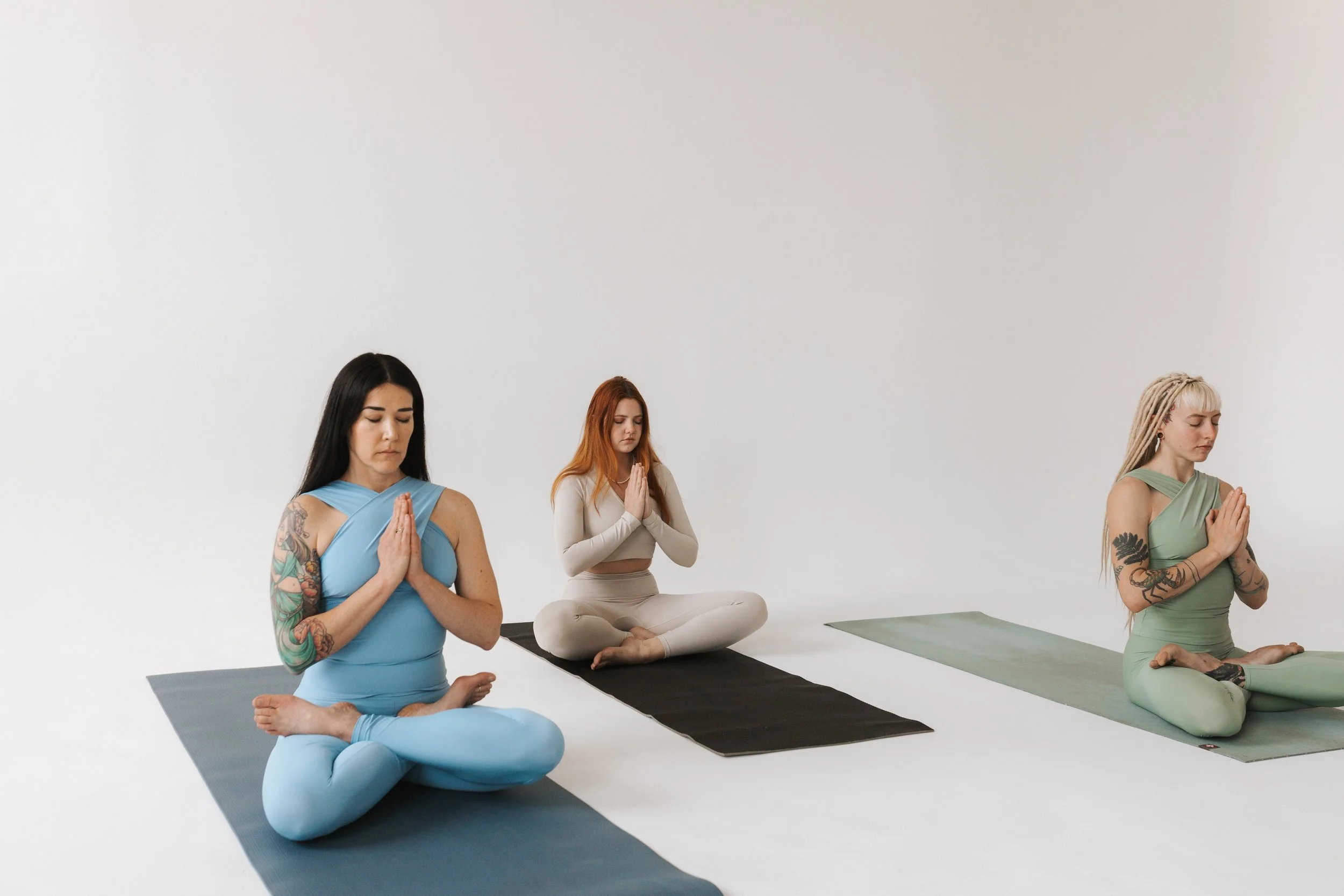
The Eight Limbs of Yoga, Explained
Key takeaways
The eight limbs come from the Yoga Sutras (2.29).
Ashtanga is the Sanskrit word for eight limbs.
Posture is one limb. Ethics and breath come first.
What are the eight limbs of yoga?
The eight limbs are a path of practice described by Patanjali. They move from how you treat others, to how you treat yourself, to the body, the breath, and the mind.
1. Yama: ethical restraints
2. Niyama: personal observances
3. Asana: a steady, comfortable seat
4. Pranayama: breath regulation
5. Pratyahara: withdrawing the senses
6. Dharana: concentration
7. Dhyana: meditation
8. Samadhi: absorption
What are the five yamas?
Ahimsa: non-harming
Satya: truthfulness
Asteya: non-stealing
Brahmacharya: right use of energy
Aparigraha: non-grasping
What are the five niyamas?
Saucha: cleanliness
Santosha: contentment
Tapas: discipline
Svadhyaya: self-study and study of the texts
Ishvara pranidhana: surrender
Is asana the whole of yoga?
No. In the Sutras, asana is brief: a steady, comfortable seat for meditation. The elaborate posture sequences taught today came much later.
Do you practice the limbs in order?
They are a path, not a strict ladder, and teachers read them differently. Many practitioners work on several at once.
Related: Ancient yoga texts | Six schools of Hindu philosophy | Back to the history of yoga
Join the Foundations waitlist to learn Ashtanga from the beginning. Link below.